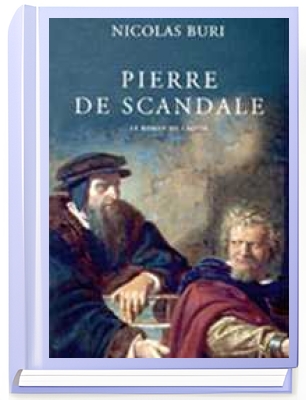
Un Français âgé de vingt-sept ans arrive un jour de l’année 1536 à Genève, ville qu’on dit la plus sale et la plus paillarde d’Europe. Son nom : Jean Calvin. Avant d’en devenir le maître, il livre une lutte à mort contre les ennemis de l’intérieur, ceux-là même qui l’ont accueilli, et contre ceux de l’extérieur, parmi lesquels ses anciens amis catholiques qui tentent de l’anéantir. Pour cela ces derniers possèdent une arme de destruction massive : la peste.
Car cette Cité de Dieu, Jérusalem nouvelle, devient le havre de ces hérétiques que l’on appelle « protestants ». Si Calvin crée pour eux une ville cosmopolite, pour beaucoup de Genevois il reste « le Français », un étranger, un homme à abattre, pourfendeur de leurs libertés et juge de leur quotidien, qui leur impose jusqu’à la couleur des vêtements et la forme des chaussures.
Désormais, catholiques et protestants forment deux blocs qui se font face. Dans un camp comme dans l’autre, il y a des excommuniés, des résistants. L’âpre théorie des guerres de religion peut commencer de dévaster l’Europe. On sait qu’en France le protestantisme restera la religion d’une élite de vaincus.
De son enfance à son apogée, Calvin raconte l’Histoire qu’il traverse et celle qui le traverse. Il livre ses choix, ses doutes, ses moments de grâce et de courroux, avec la cadence folle d’un homme à la fois offensif et bienveillant, impétueux et sensible. Un récit historique, familier et violent, où Nicolas Buri dépeint des personnages saisissants d’humanité.
Nicolas Buri est né en 1965 à Genève. Pierre de scandale est son premier roman.
Car cette Cité de Dieu, Jérusalem nouvelle, devient le havre de ces hérétiques que l’on appelle « protestants ». Si Calvin crée pour eux une ville cosmopolite, pour beaucoup de Genevois il reste « le Français », un étranger, un homme à abattre, pourfendeur de leurs libertés et juge de leur quotidien, qui leur impose jusqu’à la couleur des vêtements et la forme des chaussures.
Désormais, catholiques et protestants forment deux blocs qui se font face. Dans un camp comme dans l’autre, il y a des excommuniés, des résistants. L’âpre théorie des guerres de religion peut commencer de dévaster l’Europe. On sait qu’en France le protestantisme restera la religion d’une élite de vaincus.
De son enfance à son apogée, Calvin raconte l’Histoire qu’il traverse et celle qui le traverse. Il livre ses choix, ses doutes, ses moments de grâce et de courroux, avec la cadence folle d’un homme à la fois offensif et bienveillant, impétueux et sensible. Un récit historique, familier et violent, où Nicolas Buri dépeint des personnages saisissants d’humanité.
Nicolas Buri est né en 1965 à Genève. Pierre de scandale est son premier roman.