Au milieu des années 1980, la ville de Kiev baigne dans une ambiance apocalyptique : c’est le règne du marasme et du « grand n’importe quoi » qui ont précédé l’effondrement de l’URSS. Les châtaigniers fleurissent dans le parc de la Victoire, où les vétérans de l’Afghanistan dealent du hasch tout en réparant les jeux pour enfants qui tombent en miettes. Les vendeurs du marché noir sont rançonnés par les flics, les affaires marchent mal… Un meurtre vient déstabiliser tout le système, remettre en question les vieilles alliances du parc de la rive gauche du Dniepr. Tout cela parce qu’un étudiant en littérature a voulu acheter une paire de baskets Puma à sa petite amie ? Avec un sens du détail remarquable, Alexeï Nikitine fait vivre sous nos yeux les infimes événements du quotidien, à la fois touchants et dérisoires, ainsi que les rouages du monde politique. Par ce regard dans le passé, et par le ton joyeusement inventif de l’écrivain, le lecteur découvre la société ukrainienne postsoviétique dans toute son absurdité.
Par moment terriblement prophétique, Nikitine dresse dans Victory Park un portrait de la ville de Kiev. Elle n’est pas seulement la ville qu’il connaît dans ses moindres recoins : c’est son paysage intérieur, qu’il rêve et qu’il réinvente.
Né en 1967 à Kiev, de langue russe, Alexeï Nikitine a étudié la physique, puis il a travaillé dans l’industrie du pétrole, du gaz et de l’énergie atomique. Il a collaboré au projet de sarcophage destiné à sécuriser la centrale de Tchernobyl. En 2002, il s’est tourné vers le journalisme. Auteur de nouvelles et de plusieurs romans, dont certains traduits en anglais et en italien, très populaire en Ukraine, il a reçu de nombreux prix littéraires. Victory Park, son premier roman publié en français, est entré dans les listes des grands prix russes National Bestseller et Rousskaïa Premia alors qu’il était encore à l’état de manuscrit. Alexeï Nikitine vit à Kiev.
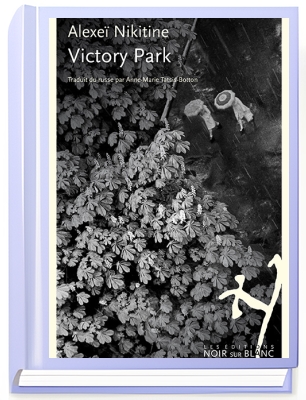
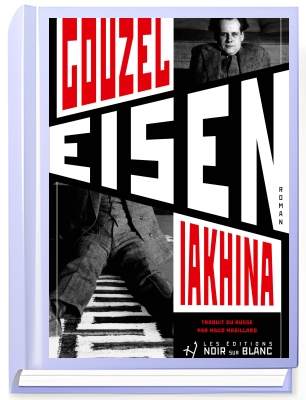
Alexeï Nikitine: Victory Park. Les Editions Noir sur Balnc, 2017
About the author
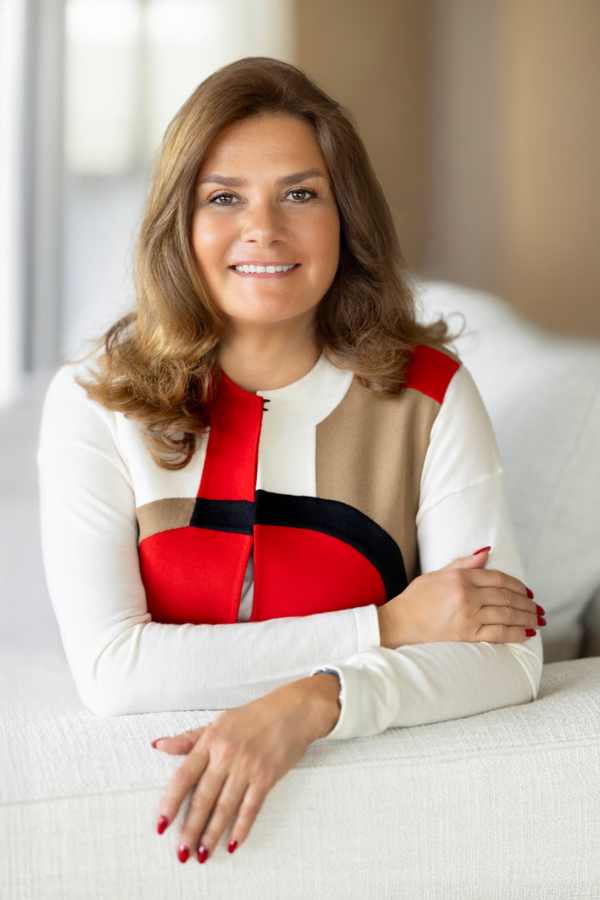
Nadia Sikorsky was born and raised in Moscow. She graduated from the Faculty of Journalism at Moscow State University and went on to complete her postgraduate studies there, earning a PhD in History. She spent 13 years at UNESCO, first in Paris and then in Geneva. After serving as Director of Communications at Green Cross International, founded by Mikhail Gorbachev, she launched NashaGazeta.ch in 2007, Switzerland’s first Russian-language online daily newspaper.
In 2022, Nadia Sikorsky was named to Le Temps’ Forum des 100, which brings together individuals who, in the newspaper’s view, have “significantly contributed to the success of French-speaking Switzerland”, from across public life, business, politics, science and culture.
After 18 years at the helm of NashaGazeta.ch, Nadia Sikorsky decided to devote herself to what had always held a special place in her work as a journalist: culture in all its diversity. This led to the creation of Russian Accent, a trilingual cultural blog in Russian, French and English, born in the heart of Europe, in Switzerland, which has become her second home and whose multiculturalism and multilingualism have helped shape the character of this new project.
At the heart of the project is the perspective of a European of Russian origin, drawing on more than 35 years of professional experience and a deep knowledge of both cultural traditions. Nadia Sikorsky sees her role as that of a cultural mediator between the two. The title of the blog, Russian Accent, reflects this idea: the accent is neither a linguistic barrier nor a political position, but a distinctive cultural imprint within a European context.