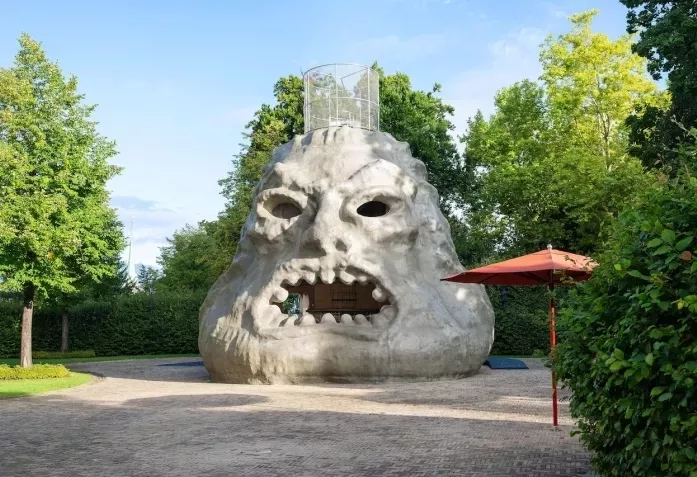
British artist Monster Chetwynd has installed a gigantic sculpture in the grounds of Switzerland’s largest art museum. Visitors are not merely allowed to touch it: they can climb inside and clamber about.
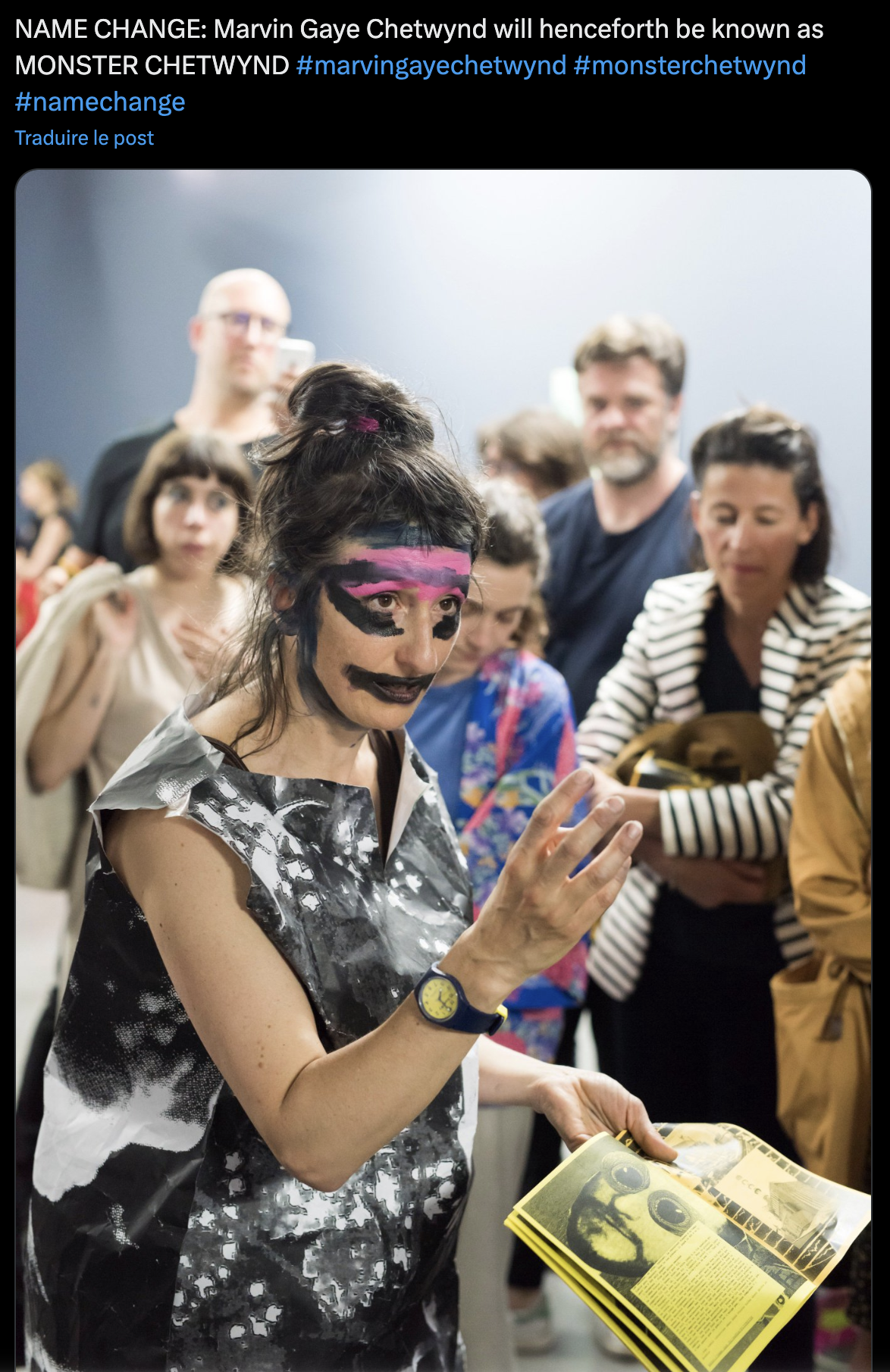
What parent would call their daughter Monster? None, of course. The British artist Monster Chetwynd, who has been living in Zurich in recent years, was named Alalia when she was born in 1973. Later, for reasons unknown to us, she became Spartacus Chetwynd, then Marvin Gaye Chetwynd, before transforming herself into Monster in 2018 and announcing the change on social media. Monster it is, then. So long as she is a nice person, she can call herself whatever she likes.
If the name means nothing to you, perhaps you will remember the Christmas installation that adorned the façade of Tate Britain in London in 2019: two giant slugs illuminated by shimmering, energy-efficient blue and white LED lights. It takes real talent to turn creatures that normally inspire nothing but revulsion into objects of delight and admiration.
In late March this year, shoppers at Hong Kong’s luxury Pacific Place mall were also in for a surprise. Monster Chetwynd “landed” three enormous luminous lanternflies in its central atrium. She does nothing by halves. They stood on an aquatic-themed vinyl floor adorned with images of dancers and loosely sketched lily pads. Her latest work, Lanternfly Ballet (2025), was the sole offsite project in the Encounters sector at Art Basel Hong Kong, which is devoted to monumental works of art.
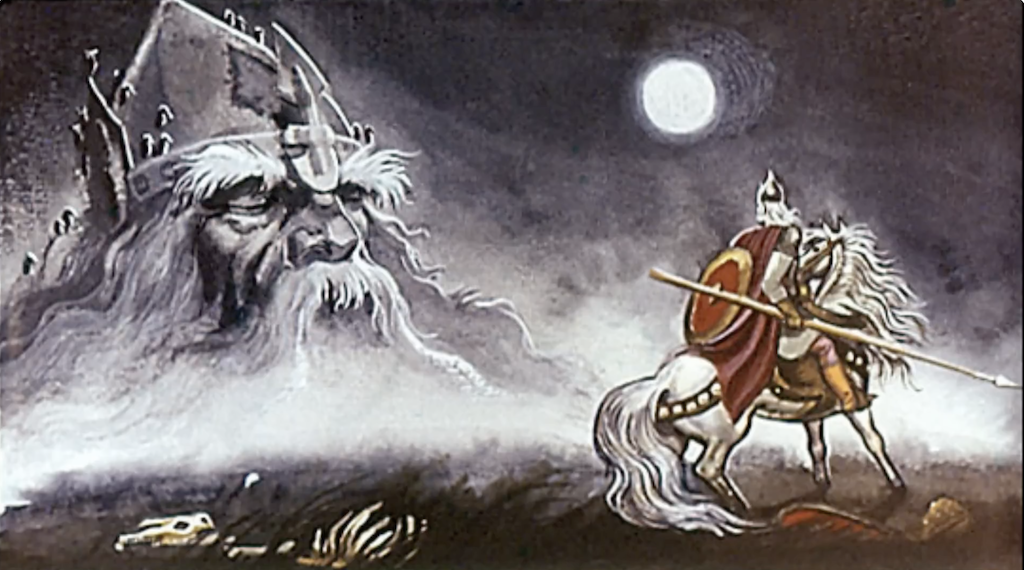
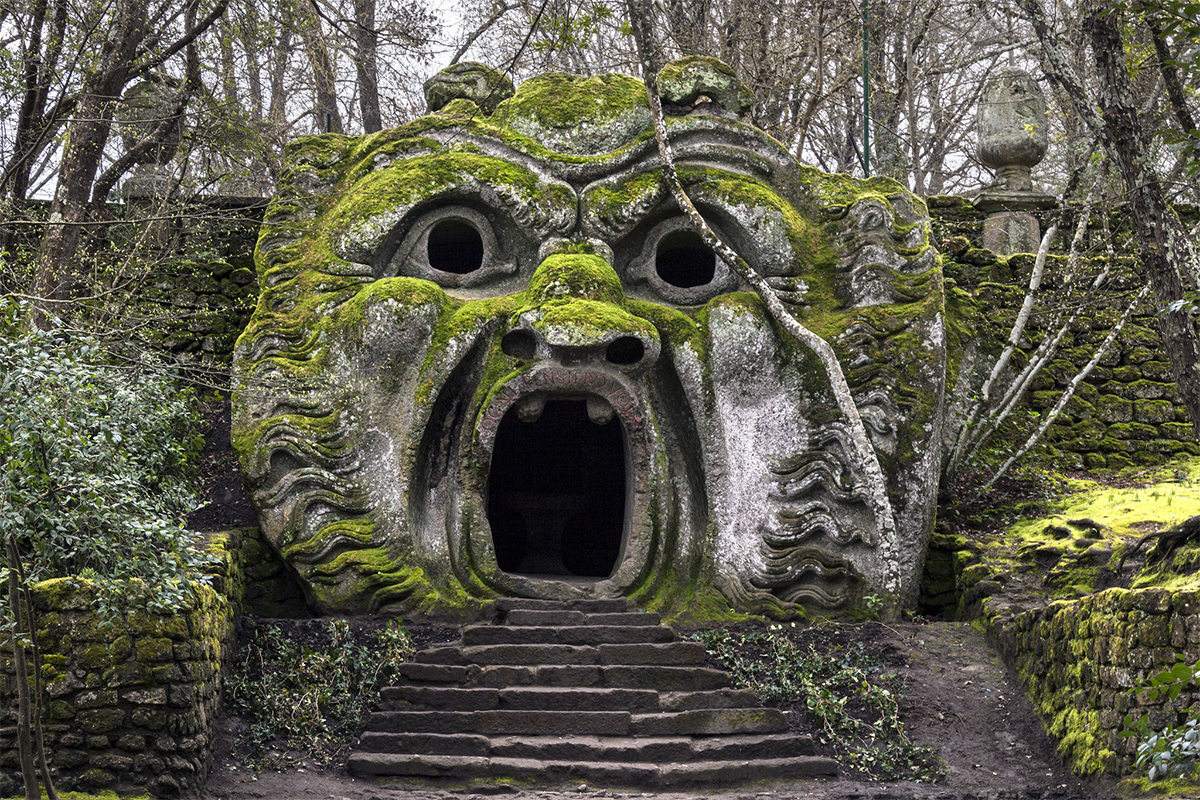
After slugs and insects, for the artist clearly has a soft spot for insects and molluscs, it was time for human characters. Or humanoid ones. The first work commissioned from Monster Chetwynd by a museum in the city where she now lives, and created for the Kunsthaus Zürich Garden of Art designed by David Chipperfield (see our earlier article on the project), is yet another gigantic and rather alarming head. Anyone steeped in Russian culture will immediately be reminded of the Talking Head in Pushkin’s Ruslan and Ludmila. The artist, however, was inspired not by Alexander Pushkin’s imagination but by the inhabitants of the Park of the Monsters, also known as the Sacred Grove (Parco dei Mostri, Sacro Bosco), an extraordinary garden created in the sixteenth century by Prince Orsini at the Villa delle Meraviglie in the Italian town of Bomarzo. To these she added the science fiction of the 1970s and the tradition of the folly, bringing a touch of madness to the project.
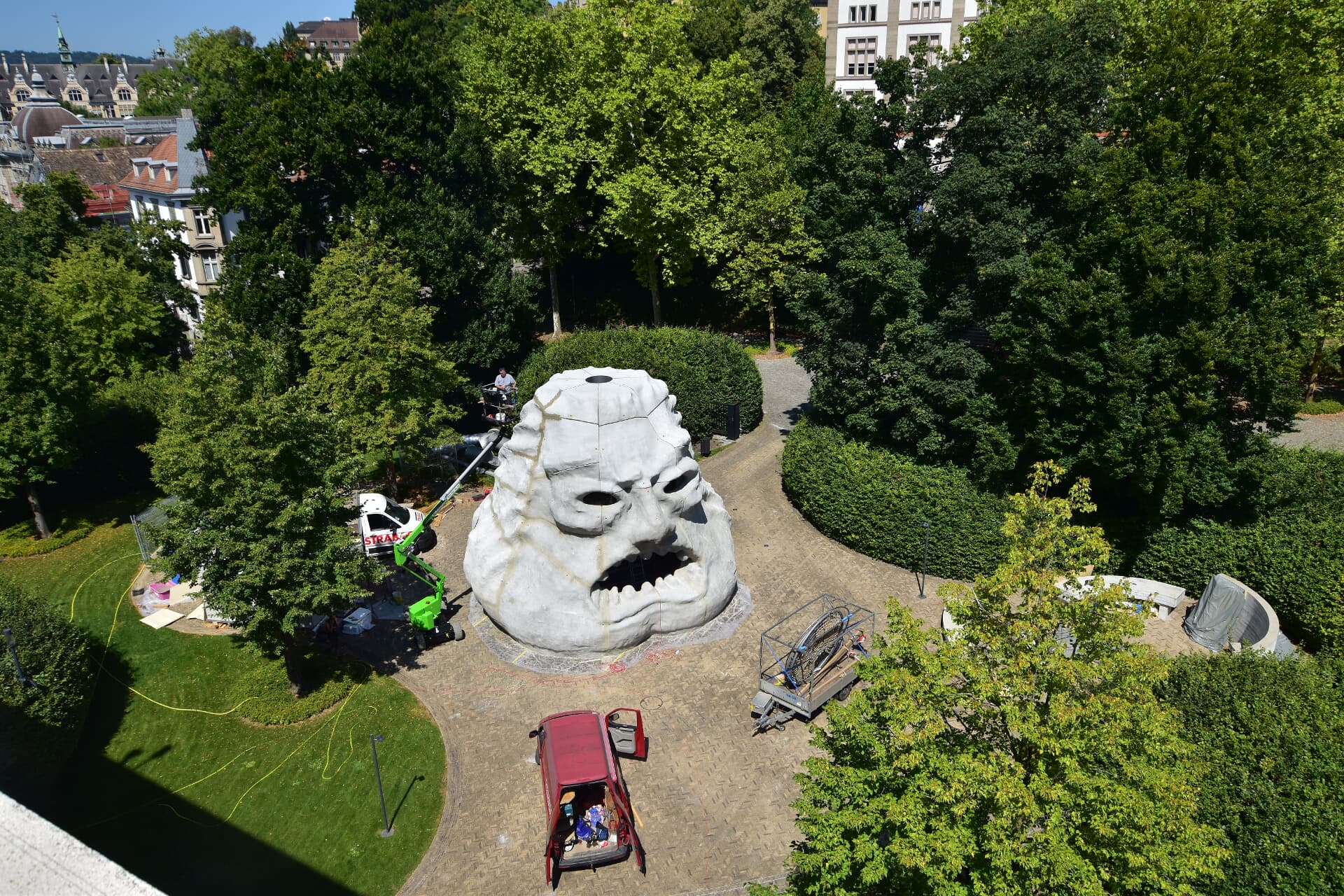
Every visitor to the Garden of Art will undoubtedly see something different in this strange head. According to the museum, “Chetwynd combines historical allusions with popular culture, and performative energy with feminist strategy. More than eight metres in height, the oversized head in the garden is intended to encourage contemplation rather than commemoration: it will be a place to experience, play and question concepts of scale.” Well, that is one way of looking at it.
More seriously, it is precisely the concept of the folly, associated with the small decorative structures typical of English gardens, all those temples, towers, artificial ruins and grottoes built for no practical purpose other than to inspire surprise, that lies at the heart of this work. We should not forget that Chetwynd is British. She has taken this centuries-old tradition and transformed it into a contemporary sculpture.
At first sight, Chetwynd’s sculpture operates according to the same “mad” principle. Devoid of any practical function in the conventional sense, it derives meaning from its presence, its form and its air of mystery. Most importantly, however, the giant head is interactive: visitors can enter it, “live” inside it and explore it from within. The artist makes no secret of the fact that the head embodies her own fantasies. “I’ve always wanted to make a big head and live inside it. I don’t know why,” she says. “I think I just have a natural liking for big, colossal heads.” While studying anthropology, she developed an interest in colossal sculptures and fragmented monuments from Antiquity. To realise the Kunsthaus project, she worked with architects and engineers, including Contouro, a start-up that emerged from ETH Zurich and is associated with the Chair of Digital Building Technologies.
Another important source of inspiration for Chetwynd was Zardoz, John Boorman’s 1974 British science-fiction dystopia, which invited audiences to peer into the year 2293. Incidentally, the title Zardoz was formed from the title of L. Frank Baum’s The Wonderful Wizard of Oz, known in Russia as The Wizard of the Emerald City. In this surreal dystopia, a stone head flies across a fractured world. For Chetwynd, however, the image also has subversive potential: “I see it as a way of undermining patriarchal images of power, by the very act of transposing them into the grotesque.”
For her, the feminist effect lies in recoding monumentality: a menacing head becomes an accessible, playful space for experimentation. Inside, a gigantic climbing structure invites children and adults to explore it physically, as a sculpture, a playground and an object of contemplation. Chetwynd has thus created a space that offers a sensory encounter with art while also encouraging visitors to reflect and linger awhile. After all, what else is a head for, if not thinking?
And since both climbing and thinking are entirely free of charge, do not miss the opportunity to indulge in both when you are next in Zurich.